

Bioidentical Hormone
Replacement Therapy (BHRT)
Balance Your Hormones. Transform Your Life.

Complete the Menopause Rating Scale assessment to understand your symptom severity and hormone health.
If you’ve been told your labs are “normal” but you still don’t feel well — you’re not alone. Many women and men experience subtle hormone shifts that affect daily life, especially during perimenopause, menopause, and andropause. Hormonal balance can also be influenced by stress, diet, lifestyle, pregnancy, illness, and certain medications.
Bioidentical Hormone Replacement Therapy (BHRT) can help restore balance and help you feel your best again.
At DPC Family Doctor, we provide comprehensive BHRT tailored to your
Unique Lab Values
Symptoms
Long-Term Health Goals
Our personalized approach focuses on restoring balance
Safely
Thoughtfully
With Close Medical Supervision

Whole-Body Benefits of BHRT
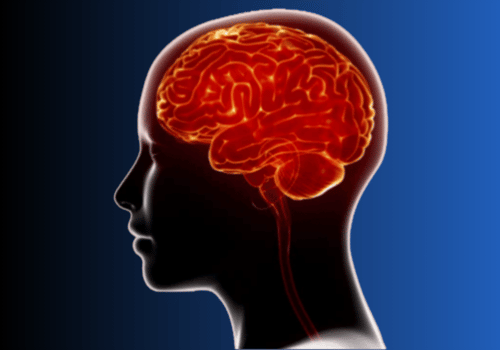

Optimized Brain Function
Restored Sleep Quality

Stabilized Mood
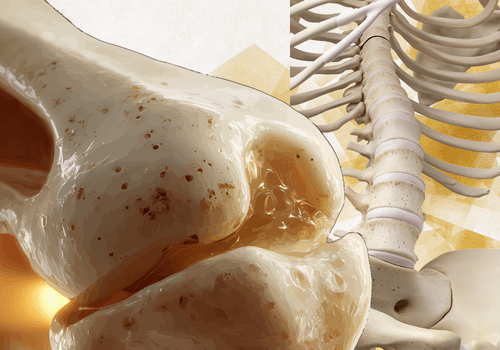
Stronger Bones

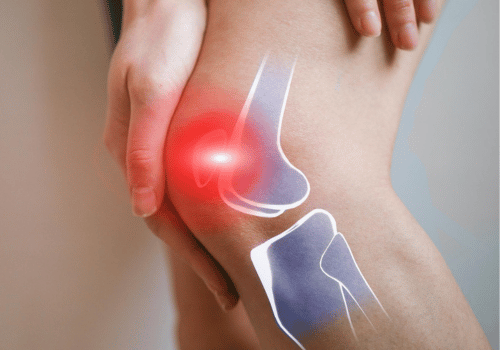


Improved Muscle Strength
Improved Energy Levels
Optimized Metabolism
Reduced Inflammation
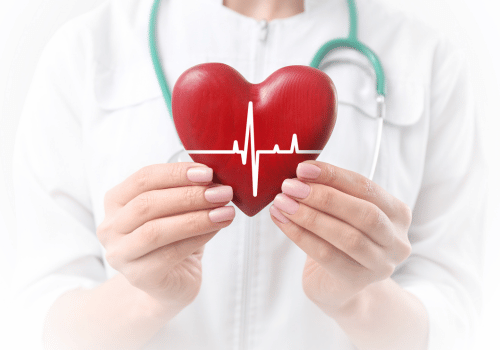
Improved Heart Health
Improved Libido

-
Yes—when prescribed and monitored by an experienced physician, BHRT is considered safe for many patients.
Bioidentical hormones are derived from plant sources, most commonly wild yams and are designed to match the hormones your body naturally produces.
Because they are body-identical — also called chemically identical:
Your body recognizes them as its own
They are used efficiently through natural hormone pathways
They are often associated with fewer side effects
They may provide smoother, more effective symptom relief
-
Think of a hormone like a key and the hormone receptor in your body like a lock:
Bioidentical hormones are an exact copy of the original key
Synthetic hormones may look similar but are slightly different in shape
Because bioidentical hormones fit the lock perfectly, your body can process them naturally and efficiently
-
Bioidentical Hormone Replacement Therapy (BHRT) can help both women and men experiencing symptoms of hormonal decline or imbalance. While it is commonly associated with perimenopause and menopause in women, men can also experience age-related hormone changes (often called andropause or low testosterone). If symptoms are affecting your energy, sleep, mood, metabolism, or quality of life, you may benefit from a personalized hormone evaluation.
For women: Experiencing menopause-related symptoms? Click here to take the Menopause Rating Scale Assessment to better understand your symptom severity and whether your hormones may be out of balance.
For men: If you are experiencing symptoms of low testosterone or hormonal imbalance, contact our office to discuss appropriate evaluation and testing options.
-
Hot Flashes & Night Sweats: Sudden heat surges and sweating are hallmark symptoms of estrogen decline. Balanced hormones can reduce frequency and intensity.
Reduced Muscle Mass, Increased Body Fat & Slowed Metabolism:
Hormonal imbalance may cause loss of strength and abdominal weight gain.Fatigue & Low Energy: Persistent exhaustion is common during hormonal transitions and may improve with treatment.
Low Sex Drive: Declining estrogen and testosterone can affect desire and intimacy.
Insomnia & Poor Sleep: Hormone imbalance often disrupts sleep patterns.
Mood Changes & Anxiety: Fluctuations can contribute to irritability, anxiety, or low mood.
Brain Fog & Memory Issues: Difficulty concentrating and forgetfulness are common concerns.
Vaginal Dryness & Discomfort: Low estrogen can cause dryness and painful intimacy.
Hair Thinning & Skin Changes: Hormones influence collagen, elasticity, and hair growth.
Bone Loss & Osteoporosis Prevention: Estrogen is essential for maintaining bone density.
-
Declining estrogen and testosterone levels are major contributors to bone loss and osteoporosis in both women and men. Here’s an easy way to understand how this affects your bones.
Think of your bones as a living house that is constantly being renovated. Inside your body, there are two main crews working on this house:
Osteoblasts (The Builders): These cells lay down new, strong bone.
Osteoclasts (The Clean-up Crew): These cells break down old or damaged bone to make room for the new bone.
When we are young, the builders and clean-up crew work at the same speed, keeping bones strong. As we get older, hormones decline and this balance gets disrupted.
The Role of Estrogen (Women & Men)
Estrogen is a key hormone that tells the "Clean-up Crew" (osteoclasts) to slow down, while helping the "Builders" (osteoblasts) work efficiently to maintain bone density.
The Decline: During menopause, estrogen levels drop dramatically.
The Effect: Without enough estrogen, the Clean-up Crew becomes too active, breaking down bone much faster than the builders can fix it.
Postmenopausal Bone Loss: Women can lose 2–5% of their bone density per year in the first 5–10 years after menopause.
The Role of Testosterone (Men)
Testosterone is the primary hormone for bone strength in men, supporting both bone formation and density.
The Decline: Men experience a gradual decline in testosterone, often called "andropause," starting around age 30.
The Effect: As testosterone drops, bone strength decreases, making the bones more fragile.
Men’s Bone Loss: While not as rapid as postmenopausal women, men typically lose 0.5% to 1% of bone density per year after age 50.
Summary of Bone Health
⬇️ Hormones = ⬇️ Bone Building + ⬆️ Bone Breakdown = Weak Bones
-
Here is a breakdown of how hormonal decline impacts brain health
1. Estrogen & Progesterone
What they do: Estrogen and progesterone are not just for reproduction; they protect neurons (brain cells), act as antioxidants (fight damage), and keep brain cells excited and communicating.
What happens when they decline (Menopause/Perimenopause): When levels drop, the brain is exposed to inflammation, and it becomes harder to form memories.
Brain Health Effects: This drop is directly linked to an increased risk of Alzheimer’s and cognitive decline.
Symptoms: This causes "brain fog," poor concentration, trouble finding words, and memory loss.
2. Thyroid
What it does: Thyroid hormones (T3 & T4) control brain metabolism—how the brain uses energy to function.
What happens when it declines (Hypothyroidism): If the thyroid is too low, the brain doesn't have enough "fuel" to work properly.
Brain Health Effects: This leads to slowed thinking, severe brain fog, and poor mental clarity.
3. Insulin Resistance/Type 3 Diabetes
What it does: Insulin helps cells in the brain take in sugar (glucose) for energy.
What happens when it declines (Insulin Resistance): The brain becomes resistant to insulin, meaning it can't get the energy it needs, even if sugar is present. This is sometimes called "Type 3 Diabetes".
Brain Health Effects: The lack of energy causes neurons to die, causing severe inflammation and significantly increasing the risk of Alzheimer's dementia.
4. Cortisol
What it does: Cortisol is a stress hormone.
What happens when it is imbalanced: When hormones drop (like estrogen), cortisol often goes up to take its place.
Brain Health Effects: High, chronic cortisol damages neurons, particularly in the hippocampus, which is the brain’s main memory center.
Comparison: Men vs. Women
While both experience decline, the speed and impact differ:
Women: Experience a rapid, sharp drop in estrogen and progesterone during menopause. This quick withdrawal makes women more vulnerable to Alzheimer's and cognitive impairment.
Men: Experience a more gradual decline in testosterone, which also supports brain function and focus. Lower testosterone is linked to cognitive decline and mood disorders in older men.
-
1. Insulin Resistance and Blood Sugar Problems
Estrogen and progesterone help the body respond properly to insulin. Insulin is like a helper with a key that opens the cell doors to let sugar (glucose) in from the blood for energy.
When these hormones decline:
• Insulin does not work as effectively
• Sugar cannot enter the cells easily
• Sugar stays in the blood instead
• Your body struggles to make energy
• Excess sugar in the blood gets stored as fat.
This condition is called insulin resistance and is one of the earliest signs of metabolic dysfunction. Over time, insulin resistance can increase the risk of weight gain, prediabetes, and type 2 diabetes.
2. Loss of Muscle and Slower Metabolism
Testosterone helps maintain muscle mass in both men and women.
When testosterone decreases:
• Muscle mass declines
• Strength decreases
• Metabolism slows downMuscle burns more calories than fat. So when muscle is lost, your body burns fewer calories even at rest, making weight gain easier.
-
When hormones like estrogen or progesterone decline, cortisol (the stress hormone) can rise to “compensate,” especially in women during perimenopause or menopause.
The rise in cortisol can lead to:
Energy Levels Drop: High cortisol can disrupt the natural rhythm, often causing a “wired but tired” feeling—exhaustion during the day and restlessness at night.
Blood Sugar Worsens: Cortisol signals the liver to release extra sugar (glucose) into the bloodstream for a quick energy boost. If insulin isn’t working well, this extra sugar stays in the blood and can eventually be stored as stubborn belly fat.
Abdominal Fat Increases: Visceral fat is the deep belly fat that surrounds internal organs. Fat cells in this area have more cortisol receptors than other areas, so cortisol encourages fat to accumulate in the midsection. This is often called “cortisol belly” or “menopause belly.”
Over time, this creates a vicious cycle, as rising cortisol, higher blood sugar, and belly fat make each other worse.
-
1. Estrogen Decline:
Cholesterol Shifts: Estrogen helps the liver clear "bad" cholesterol (LDL) and maintains higher levels of "good" cholesterol (HDL). Without it, bad LDL typically rises and good HDL decline, increasing the risk of plaque buildup.
Endothelial Dysfunction: Estrogen promotes the production of nitric oxide, which helps blood vessels relax and stay flexible. When estrogen declines, the lining of your blood vessels (the endothelium) becomes less efficient, making it harder for them to dilate and circulate blood properly.
2. Testosterone Decline:
Arterial Stiffness: Low testosterone is a potent predictor of aortic stiffness. When levels are low, the major arteries lose their elasticity, forcing the heart to work harder to pump blood throughout the body.
Atherosclerosis Risk: Studies show that healthy testosterone levels help inhibit the development of plaques. A decline in this hormone is associated with an increased risk of atherosclerosis (hardening of the arteries), which can lead to more serious heart events.
3. Cortisol Dysregulation:
cortisol : When hormones decline, cortisol (the stress hormone) can rise to “compensate”
Chronic Inflammation: Constant high cortisol keeps your body in a state of low-grade inflammation. This irritates the lining of your arteries, making them more prone to damage and plaque accumulation.
Increased Hypertension: Cortisol can cause the body to retain salt and increase vascular resistance. Over time, this leads to hypertension (high blood pressure), which is a leading driver of heart disease and stroke.
Why This Matters:
Hormonal decline doesn't just change how we look; it changes how our internal "piping" works. This shift often explains why heart disease risk increases significantly in the decade following menopause or during the onset of andropause. -
What is Visceral Fat?
Unlike the fat under your skin (subcutaneous fat), visceral fat wraps around your vital internal organs, such as your liver, pancreas, and intestines. It isn't just sitting there as extra storage; it acts like a "living" organ that is constantly active and aggressive.
Why It’s "Toxic":
Visceral fat is often called "toxic fat" because it produces and releases harmful chemicals into your body.
Pro-Inflammatory Cytokines: This fat pumps out signaling chemicals called cytokines (like IL-1, IL-6, and TNF-alpha) that trigger chronic inflammation.
The Fire That Won't Go Out: Usually, inflammation is a good thing—like a small campfire that helps your body heal a scraped knee. But visceral fat acts like a hidden fire that never stops burning. It sends 'smoke' (harmful chemicals) through your blood that irritates your heart, brain, and blood vessels 24 hours a day.
Weakening the System: Over time, this constant state of inflammation weakens your immune system and damages your healthy cells.
The Health Risks
Because visceral fat is so active, it is a leading cause of several serious conditions:
Metabolic Syndrome: It disrupts how your body handles insulin, leading to insulin resistance and type 2 diabetes.
Heart Disease: The inflammatory chemicals damage the lining of your arteries and can raise your blood pressure.
Cancer & Brain Health: Chronic inflammation from this fat is linked to an increased risk of certain cancers (like colon and breast cancer) and may even contribute to dementia later in life.
The Good News: Visceral fat is often the first type of fat your body burns when you start moving more and eating a balanced diet. By reducing this hidden fat, you aren't just changing your waistline—you are "putting out the fire" of inflammation inside your body.
Ready to feel like yourself again? Schedule an appointment today to discuss your symptoms and take the first step toward restoring hormone balance and improving your overall health.