FibroScan® Liver Screening
Find out if your liver is under stress
Before it becomes serious.
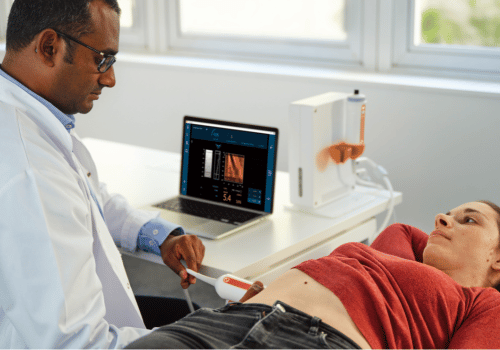
What is FibroScan®?
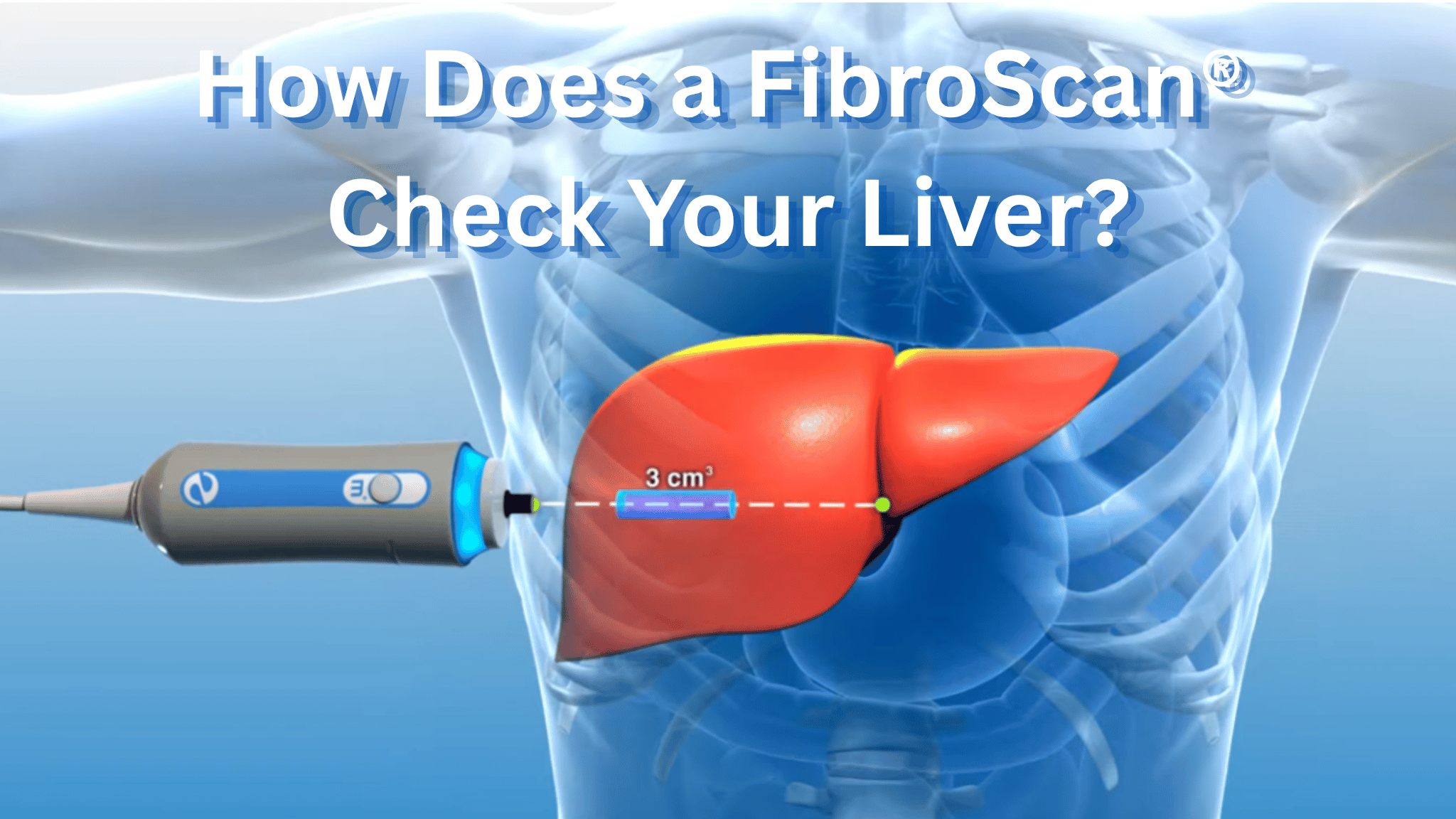
FibroScan® is a quick, painless, non-invasive liver scan that measures:
Liver fat (steatosis)
Liver stiffness (fibrosis or scarring)
The test provides valuable information about your overall liver health and can help detect liver problems early, often before symptoms develop.
We interpret your liver fat & stiffness scores along with your medical history, lab results, and liver condition to better understand your liver health.
The key is early detection. The longer liver disease goes unnoticed, the greater the risk of permanent damage. Monitoring liver health before symptoms develop is IMPORTANT.
Who Should Get Tested?
Have prediabetes or diabetes
Have gained weight or carry excess belly fat
Have high cholesterol or blood pressure
Consume alcohol regularly
Have been told your liver enzymes are elevated
Have a family history of liver disease
Have been treated with methotrexate (past or present)
Polycystic ovary syndrome (PCOS)/ Polyendocrine Metabolic Ovarian Syndrome (PMOS)
Did You Know?
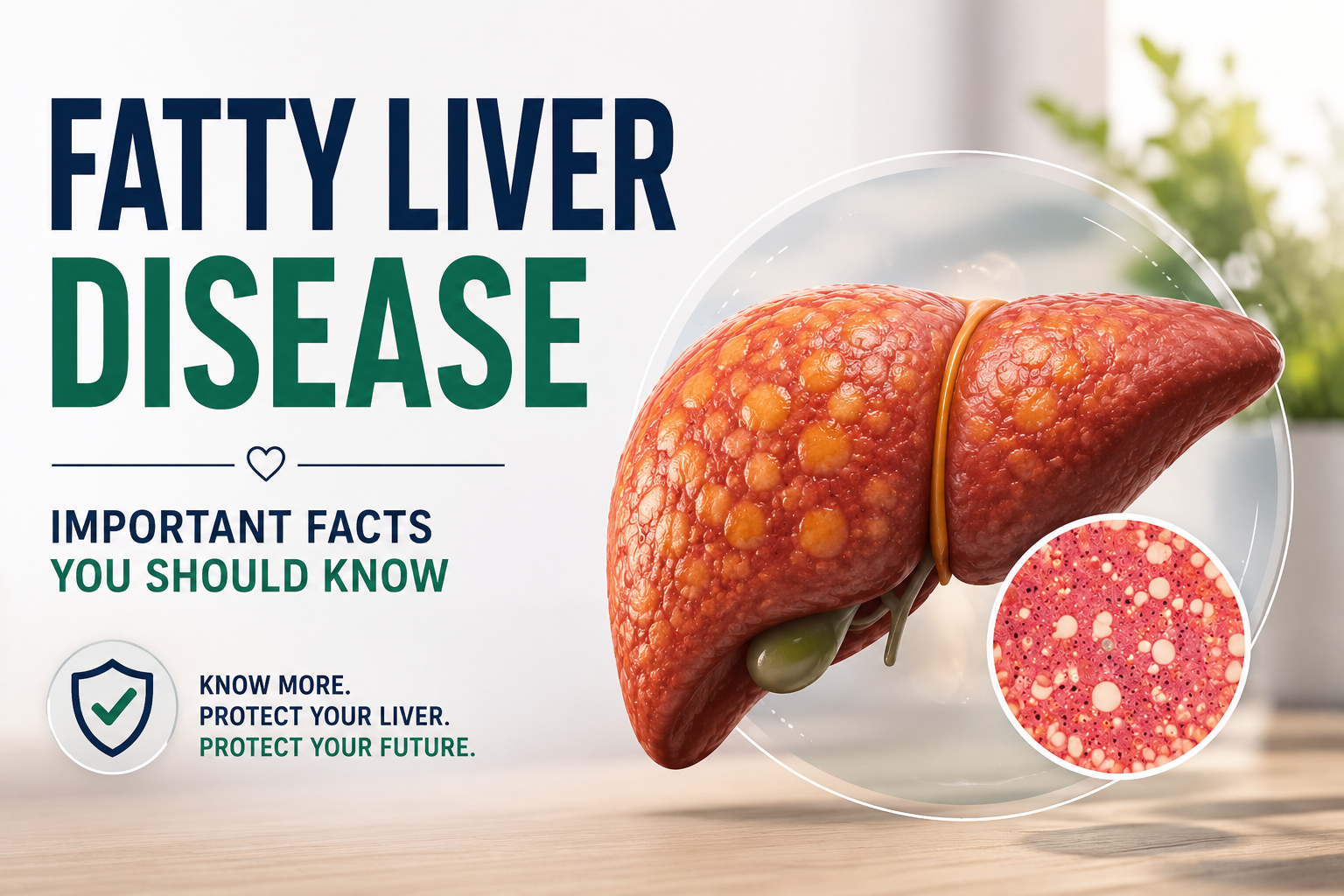
1 in 3 adults over age 40 may have fatty liver disease.
You don't have to be overweight to develop fatty liver disease. Even TOFI (Thin Outside, Fat Inside) individuals can have it.
70% of people with Type 2 Diabetes have fatty liver disease.
40–50% of people with Type 1 Diabetes also have fatty liver disease.
Fatty liver disease can double the risk of heart attack and stroke.
MASH (Metabolic Dysfunction-Associated Steatohepatitis) is one of the fastest-growing causes of liver transplant in the United States.
Studies suggest a link between hepatitis C infection and an increased risk of Type 2 diabetes.
Most people have no symptoms during the early stages.
FAQs
-
The three most common causes of chronic liver disease include:
Fatty Liver Disease (MASLD/NAFLD and MASH/NASH) – Fat buildup in the liver that can lead to inflammation and scarring.
Viral Hepatitis (Hepatitis B and Hepatitis C) – Viral infections that can cause long-term liver damage if left untreated.
Alcohol-Related Liver Disease – Liver damage caused by excessive alcohol consumption over time.
-
Do you consume soft drinks regularly?
Do you drink alcohol on weekly basis?
Do you eat sweets or processed food and snacks routinely?
Do you have a belly or have been gaining weight?
Do you suffer from Type 2 diabetes, pre-diabetes, high blood pressure, high cholesterol, or high triglycerides?
If you answered "Yes" to one or more of these questions, you may be at increased risk for fatty liver disease (MASLD/NAFLD).
-
Your liver is one of the most important and hardest-working organs in the body. It performs hundreds of essential functions every day, including:
Filtering toxins and waste products from the blood
Processing nutrients from the foods you eat
Metabolizing medications and supplements
Regulating blood sugar levels
Managing cholesterol and triglycerides
Producing bile to help digest fats
Storing vitamins, minerals, and energy
Supporting metabolism and hormone balance
Helping control inflammation throughout the body
Because the liver is involved in so many vital processes, even mild liver dysfunction can affect overall health. Poor liver health has been associated with:
Fatigue and low energy
Weight gain and difficulty losing weight
Insulin resistance and Type 2 diabetes
High cholesterol and triglycerides
High blood pressure
Heart disease and stroke
Increased inflammation throughout the body
A healthy liver supports a healthy body. That's why early detection and monitoring of liver disease are so important.
-
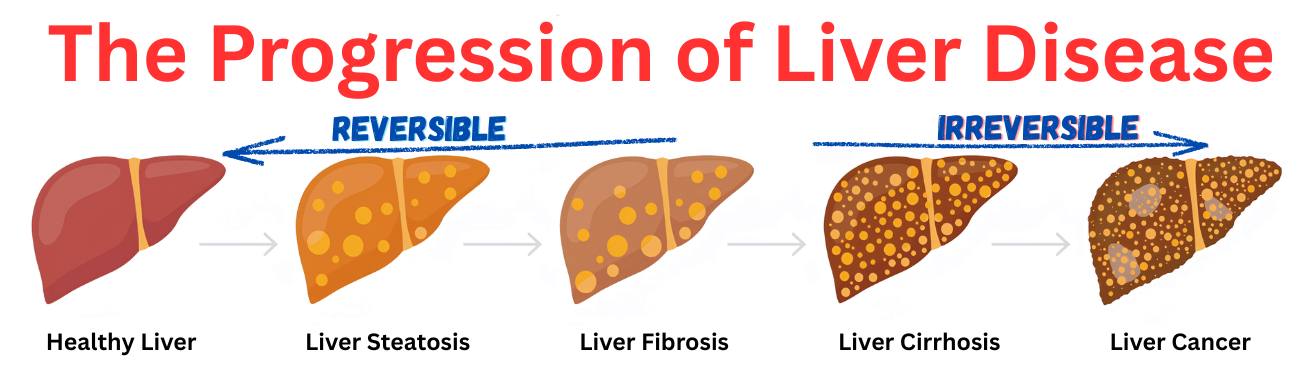
🟢 Healthy Liver - Little to no fat buildup
⬇
🟡 Fatty Liver (Steatosis) - Fat begins accumulating in the liver
⬇
🟠 MASH - Fat + inflammation start damaging liver cells
⬇
🔶 Fibrosis - Scar tissue begins to form
⬇
🔴 Cirrhosis - Advanced scarring affects liver function
⬇
⚫ Liver Failure or Liver Cancer
⬇
🏥 Liver TransplantFatty liver disease often develops silently, with few or no symptoms in its early stages. When left untreated, excess fat in the liver can lead to inflammation, scarring (fibrosis), cirrhosis, and in some cases liver failure or liver cancer. Early detection allows patients to take action before significant liver damage occurs.
-
Your liver has an amazing ability to heal itself. Unlike many organs in the body, the liver can often recover from early damage when the underlying cause is addressed. Fatty liver disease and early stages of liver scarring may improve with healthy lifestyle changes, weight management, improved nutrition, and proper medical care. That's why early detection is so important—taking action today may help prevent more serious liver problems in the future. - can be bullet points
-
Methotrexate is commonly prescribed for conditions such as rheumatoid arthritis, psoriasis, and other autoimmune diseases.
Long-term Methotrexate therapy may increase the risk of liver toxicity (hepatotoxicity), liver fibrosis (scarring), and cirrhosis.
Patients taking Methotrexate may benefit from liver screening. Clinical guidelines recommend considering a FibroScan® examination within the first 6 months of Methotrexate therapy, with the frequency of follow-up screening based on the results and individual risk factors.
-
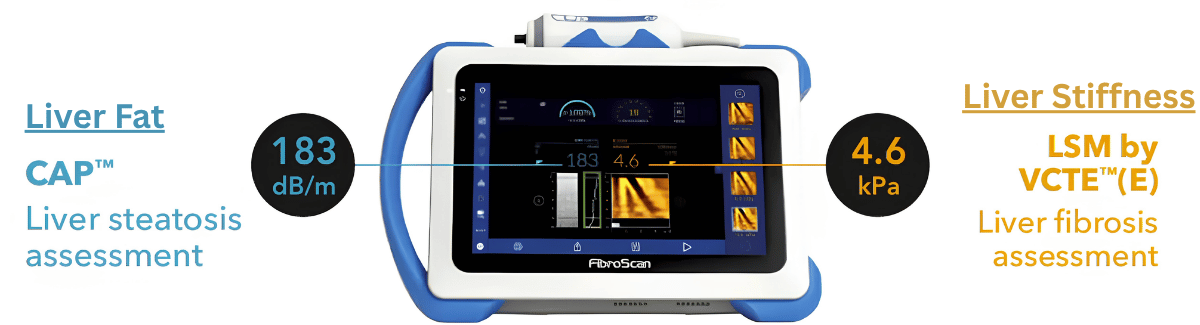
FibroScan® measures two important aspects of liver health:
Liver Fat (CAP Score)
The CAP (Controlled Attenuation Parameter) score estimates how much fat is present in your liver. It is measured in decibels per meter (dB/m) and typically ranges from 100 to 400 dB/m.
Lower CAP scores generally indicate less liver fat.
Higher CAP scores suggest greater fat accumulation in the liver.
CAP scores may improve or worsen over time depending on lifestyle and overall metabolic health.
In most cases, a CAP score below 288 dB/m is considered within the normal range.
Liver Stiffness (kPa Score)
The liver stiffness score measures how stiff or scarred your liver may be. This measurement is reported in kilopascals (kPa).
Normal liver stiffness values are usually between 2 and 8 kPa.
Higher values may indicate increasing levels of liver scarring (fibrosis).
The highest possible FibroScan® result is 75 kPa.
What Your Fibrosis Stage Means
Normal (F0–F1)
Little to no liver scarring
Generally considered a healthy or mildly affected liver
Moderate to Severe Fibrosis (F2–F3)
Increasing levels of liver scarring
Often associated with fatty liver disease and metabolic conditions
May improve with weight loss, better nutrition, exercise, and treatment of underlying health conditions
Advanced Fibrosis (F4 – Cirrhosis)
Significant liver scarring that develops over many years
May affect liver function and increase the risk of serious complications
Requires ongoing medical monitoring and treatment
Dr. Bhongir will interpret your liver fat and liver stiffness scores together with your medical history, laboratory results, and overall health to provide a complete picture of your liver health.
-
To Help Ensure the Most Accurate FibroScan® Results
Fast for at least 3 hours before your appointment. No Coffee, No Tea - Just sips of water.
Wear comfortable, loose-fitting clothing that allows easy access to the right upper abdomen.
FibroScan® is quick, painless, non-invasive, and typically takes 5-10 minutes to complete.
-
No. FibroScan® is painless and non-invasive.
-
Most scans take about 5–10 minutes.
-
No referral is needed.
-
At DPC Family Doctor, We do not accept insurance. We offer transparent self-pay pricing with no referral required.
The good news is that the cost of the FibroScan® fee is waived for patients enrolled in our Non-Alcoholic Fatty Liver Disease (MASLD/NAFLD) Program.
Our program includes liver screening, monitoring, and personalized guidance focused on improving liver health and reducing the risk of liver fibrosis, cirrhosis, and other complications of fatty liver disease.
✅ Schedule a free consultation with our doctor to discuss your liver health and find out whether our NAFLD/MASLD program is right for you.